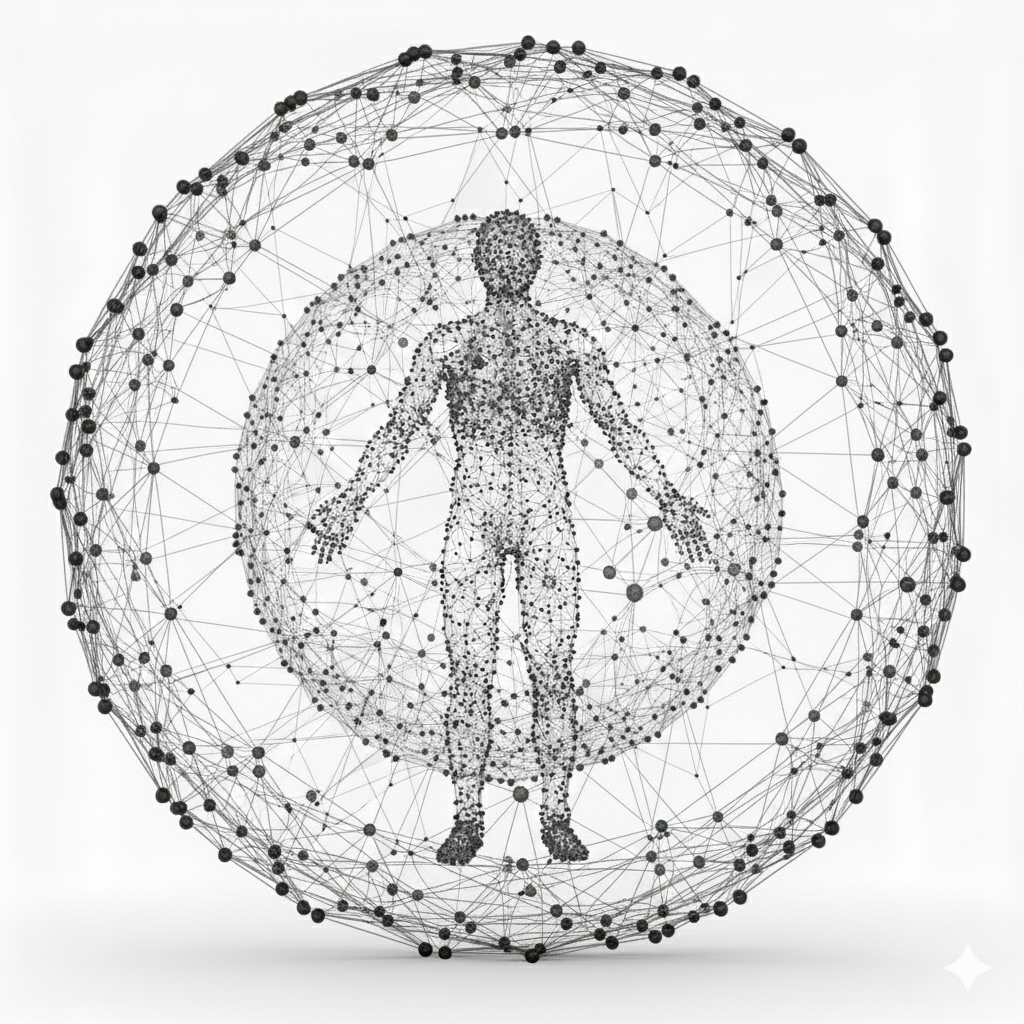
You Are The Whole Machine: Why Neuroscience Never Killed Free Will
This essay reframes one of the most powerful arguments against free will — the Libet readiness-potential experiments and the “caboose problem” — through the Language of Stress framework. Neuroscience shows unconscious processes precede conscious reports of decision-making. The standard interpretation concludes you are merely the audience to your own choices. But what if “you” are not the late-arriving narrative voice — what if you are the entire integrated architecture?
The Language of Stress shows that decisions are resolutions of competing tensions within a unified Value Topography organized around a defended Archetype of Self. The phenomenal experience of urgency is not an epiphenomenal shadow; it is the common currency that terminates the regress and makes genuine self-causation possible. Agency is not freedom from causation — it is freedom as self-causation through the full, rich system that you actually are.
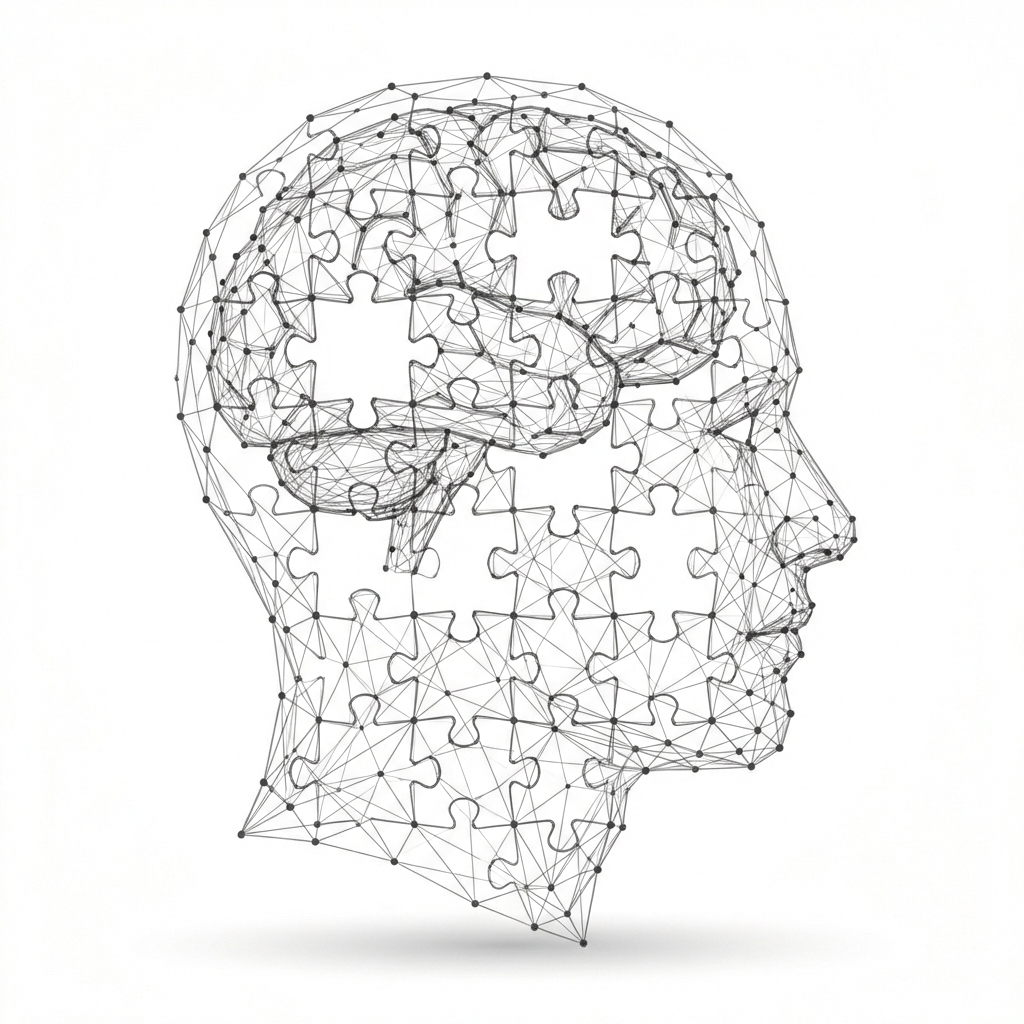
The Fatal Flaw in Chalmers' Zombies
How did I find myself sitting down to write this blog post, with a salt craving, a restless dog, looming deadlines, and a wife I owe more time to all competing for my attention? On the surface, this feels like a trivial fact about how days get organized. I want to argue it's anything but. The effortless way our brains weigh incommensurable demands — physiological, social, emotional, existential — turns out to reveal a fatal flaw in one of philosophy's most influential thought experiments: David Chalmers' philosophical zombie. A zombie that is physically and behaviorally identical to a human cannot actually prioritize competing demands without falling into infinite regress. And phenomenal experience — consciousness itself — is the only available mechanism that terminates it. If the argument holds, the Hard Problem of consciousness doesn't disappear. It transforms into a better question.